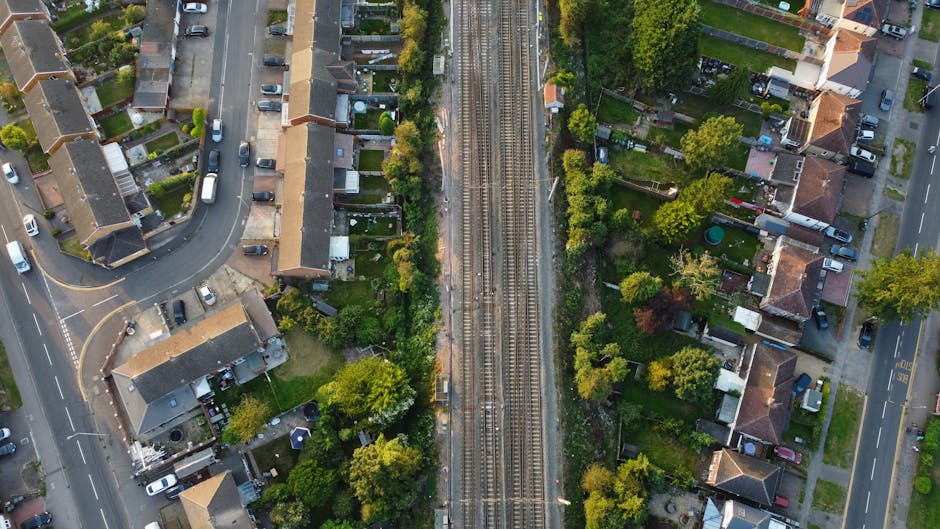
Gardeners near Wallington station for small town gardens

If you live close to Wallington station, you already know the charm of a smaller garden can be a blessing and a challenge at the same time. There is less room for overgrown borders, awkward access, and patchy lawns to hide in, which means every detail matters. That is exactly why choosing gardeners near Wallington station for small town gardens can make such a difference: the right local help keeps a compact outdoor space tidy, usable, and genuinely enjoyable, without turning it into a full-scale landscaping project you never wanted in the first place.
Small town gardens often need a steadier, more thoughtful approach than larger plots. A little pruning here, a careful cut there, and suddenly the space feels twice as calm. In this guide, we will look at how local gardening support works, what to expect, where the real value lies, and how to avoid the common mistakes that leave small gardens looking cramped rather than cared for.
For a broader view of available services, you may also find the services overview useful, especially if you are comparing regular maintenance with one-off tidy-ups.
Table of Contents
- Why Gardeners near Wallington station for small town gardens Matters
- How Gardeners near Wallington station for small town gardens Works
- Key Benefits and Practical Advantages
- Who This Is For and When It Makes Sense
- Step-by-Step Guidance
- Expert Tips for Better Results
- Common Mistakes to Avoid
- Tools, Resources and Recommendations
- Law, Compliance, Standards, or Best Practice
- Options, Methods, or Comparison Table
- Case Study or Real-World Example
- Practical Checklist
- Conclusion
- Frequently Asked Questions
Why Gardeners near Wallington station for small town gardens Matters
Small gardens near a station area tend to get used hard. Morning coffee, a quick look after work, maybe a child's football rolling into the border, and suddenly the garden is part of daily life rather than a background feature. That is why this kind of garden needs regular, practical attention. The aim is not to make it fancy for the sake of it. It is to make it work.
Local gardeners understand the realities of compact plots: limited side access, neighbours close by, shade from nearby buildings, heavier foot traffic, and the fact that a single untamed hedge can make the whole place feel closed in. In a small town setting, a neat line of lawn edging or a properly trimmed hedge has a bigger visual impact than it would on a larger property. A little care goes a long way. Honestly, a lot of people only notice this after the first proper tidy-up.
There is also a time factor. If your garden is small, you may assume it is easy to manage yourself, but the jobs still pile up: mowing, weeding, pruning, leaf clearance, seasonal refreshes, and those little fixes that somehow keep slipping to next weekend. A reliable local gardener can keep the work from becoming a monthly panic.
For people who want regular upkeep rather than occasional rescue work, the garden maintenance service is often the most sensible place to start.
How Gardeners near Wallington station for small town gardens Works
The process is usually simpler than people think. A good gardener will begin by looking at the garden as a whole, not just the visible mess. They will consider how the space is used, how much sun it gets, what grows quickly, where access is awkward, and whether the existing layout is helping or hurting the space. In a small garden, those details matter more than you might expect.
From there, the work usually falls into one of a few patterns:
- Routine maintenance such as mowing, edging, weeding, and light pruning.
- Seasonal tidy-ups to clear leaves, cut back growth, and reset borders.
- Restoration work for neglected gardens that need a proper reboot.
- Improvement work such as reshaping beds, refreshing lawns, or improving usable space.
Small town gardens tend to benefit from smaller, more frequent interventions. If you wait too long, the lawn flattens in patches, hedges lean over walkways, and the whole space starts to feel tighter. If you keep on top of it, everything feels lighter. You can see the difference in a single afternoon.
It also helps to be clear about the goal. Do you want a low-maintenance garden? A neat and welcoming front space? Somewhere to sit with a cup of tea without being stared at by a tangle of ivy? Different goals lead to different work plans, and that clarity saves time and money.
Key Benefits and Practical Advantages
There are obvious benefits, and then there are the quieter ones that make everyday life easier. Both matter.
1. Better use of limited space
In a compact garden, even a few inches can change the feel of the whole plot. A well-cut lawn, tidy boundary, or properly maintained path makes the space feel larger and more open. That is not magic. It is just good design and steady upkeep.
2. Less stress and less weekend catch-up
Small gardens still eat time if they are left alone. The work may look manageable, until it is all due at once. Regular gardening support keeps the load smaller and more predictable, which is often what busy households actually need.
3. Healthier planting and cleaner structure
Plants in small spaces often compete for light, water, and breathing room. Careful pruning and border management can improve plant health and stop one dominant shrub from swallowing everything else. It sounds minor, but it really changes the balance of the garden.
4. Better kerb appeal
For front gardens, shared access spaces, or homes near busy streets and stations, neatness matters. A tidy garden gives the impression that the property is well cared for. It also feels better for the people living there. Simple as that.
5. More flexible support for changing seasons
Small garden care is not just about the summer months. Autumn leaf clearance, winter pruning, spring reset work, and summer mowing all play different roles. If you have support that can adapt through the year, the garden never gets that tired, half-forgotten look.
Where the space has become cluttered or overgrown, a one-off garden clearance can create the clean slate needed before regular upkeep begins.
Who This Is For and When It Makes Sense
This service is a good fit for quite a few people, not just homeowners with lush borders and immaculate paving. In fact, the most common clients for small town garden care are often the people who simply want the space to be manageable.
- Busy professionals who do not want garden work taking over their weekends.
- Older homeowners who want to keep the garden attractive without heavy physical effort.
- Landlords and property managers looking to keep outdoor spaces presentable.
- Families needing a safe, usable garden rather than a constant to-do list.
- New homeowners who have inherited an overgrown or awkward layout.
It makes sense when the garden is small enough that poor maintenance stands out immediately. It also makes sense if the garden has become a bit of a visual burden. You know the type: the hedge is doing its own thing, the lawn has gone patchy, and the shed area has quietly become a storage disaster. No judgement. It happens.
Local gardeners are also useful if you want practical advice rather than a grand redesign. Sometimes you do not need a transformation. You need someone to say, "Right, this bed needs thinning, the lawn needs attention, and this corner could actually be useful if we stop letting that shrub run wild."
Step-by-Step Guidance
If you are trying to work out how to approach a small garden near Wallington station, this simple process will help.
- Walk the garden properly
Look at it at different times of day if you can. Morning light, afternoon shade, damp corners after rain - all of it changes the way the space behaves. - Identify the jobs that matter most
Start with what affects the garden most: mowing, trimming, clearing, or reshaping. A lot of people begin with the most visible problem, which is fair enough, but not always the most useful approach. - Decide what should stay and what should go
Small gardens can become crowded quickly. Keep the plants and features that genuinely add value. Let go of anything that is only taking up room. - Choose maintenance frequency
Weekly, fortnightly, monthly, or seasonal? The right schedule depends on growth rate, usage, and how much you want to do yourself. - Set priorities for the first visit
Ask for the main visual and practical issues to be tackled first. That often means lawn, hedges, weeds, borders, then detail work. - Keep notes after the first tidy-up
What improved? What still feels cramped? What needs less attention next time? A small amount of feedback leads to better results.
If your garden includes difficult vertical growth, fence-line issues, or awkward boundary trees, a specialist service such as hedge trimming or tree lopping and removal may be the right follow-up rather than leaving those jobs to drift.
Expert Tips for Better Results
Here is the truth: small gardens improve fastest when the work is selective. You do not need to do everything at once. You need to do the right things in the right order.
Keep edges sharper than you think you need to
Clean lines make a small garden feel deliberate. A neat edge along a lawn or path changes the whole look, even when the planting itself is simple.
Use height carefully
Vertical planting can be helpful in a small garden, but too much height makes the space feel boxed in. A balanced hedge or a restrained climber can add structure without swallowing the light. There is a fine line, of course. Easy to say, not always easy to judge.
Prefer repeated structure over crowded variety
In smaller plots, repeating a few plants or features often looks better than squeezing in too many different textures. A calmer layout is easier to maintain and usually feels more spacious.
Leave room for movement
If you have to edge sideways to reach a planter or squeeze around a bin store, the layout is working against you. Practical access is part of good garden design, not an afterthought.
Do a little often rather than a lot rarely
Small gardens reward consistency. One visit every few weeks can prevent the sort of build-up that turns a manageable job into a full clear-out.
When the space needs a more considered reworking, landscape gardening or landscaping can help shape the layout around how you actually live, not just how the garden looked on day one.
Common Mistakes to Avoid
Small gardens are unforgiving. A slight imbalance shows quickly. That is not bad news - it just means mistakes are easier to spot and fix early.
- Letting one element dominate - a hedge, shrub, or tree that is too large can overpower the whole garden.
- Overfilling borders - too many plants, too close together, tends to create clutter rather than charm.
- Ignoring access - if maintenance is awkward, the garden becomes harder to keep in shape.
- Cutting too much at once - heavy pruning can shock plants and leave gaps that look worse before they look better.
- Using the wrong maintenance schedule - if the garden grows quickly, occasional attention may not be enough.
- Choosing appearance over function - a pretty space that you cannot use is not really a win.
A common one in small town gardens is the "I'll sort it next weekend" habit. We have all done it. Then next weekend becomes next month, and suddenly the tiny rear plot has decided to become a miniature wilderness. It happens quietly.
If the problem is mostly lawn wear or patchiness, regular lawn mowing combined with a better watering and feeding rhythm can help restore a much tidier baseline.
Tools, Resources and Recommendations
Even if you are hiring a gardener, it helps to understand the basic tools and services involved. That way, you can judge whether the right work is being done and whether a quote makes sense.
| Task | Typical approach | Why it matters in small gardens |
|---|---|---|
| Mowing | Regular cutting with edging | Keeps the garden open and prevents the space feeling cramped |
| Hedge trimming | Shaping and reducing overgrowth | Improves light, access, and the overall outline |
| Garden clearance | Removal of waste and build-up | Resets neglected corners and makes maintenance possible again |
| Landscaping | Layout changes or hard surface work | Helps a small garden work better day to day |
| Decking | Raised or defined usable areas | Can create a practical sitting space without taking over the whole plot |
For practical planning, it also helps to look at the gardener's approach to communication, timings, and payment. The company's pricing and quotes information is a useful place to understand how jobs are likely to be scoped. If you want to know more about the people behind the service, the about us page can help build confidence before you book.
And if you are sorting out a wider project, it is worth checking the main decking services page too. In a small garden, a carefully sized deck area can be far more useful than trying to cram in too many separate zones.
Law, Compliance, Standards, or Best Practice
For most domestic gardening work, the main concern is not bureaucracy for its own sake, but sensible practice. A professional should work safely, communicate clearly, and avoid causing unnecessary damage to plants, surfaces, or boundaries.
In the UK, reasonable care is especially important when work involves tools, ladders, waste handling, or trees. Clients should expect clear boundaries around what is included, how waste is removed, and what happens if a job reveals a safety issue such as unstable branches or hidden access problems. If tree work is involved, caution is essential. No one wants a rushed job near fencing, sheds, or neighbouring property.
It is also good practice for a garden service to explain how they handle site safety, equipment use, and insurance. If you want to understand those basics in advance, you can review the company's insurance and safety information and health and safety policy. That is not about being formal for the sake of it. It is about reassurance, plain and simple.
Waste handling matters too. Garden cuttings, soil, and cleared materials should be disposed of responsibly wherever possible. If sustainability is important to you - and for many people it is - the recycling and sustainability page offers a sensible starting point for understanding that approach.
Options, Methods, or Comparison Table
Not every small garden needs the same type of support. Some need light, regular maintenance. Others need a one-time reset. Here is a simple comparison that may help.
| Option | Best for | Pros | Limitations |
|---|---|---|---|
| Regular maintenance | Gardens that need ongoing care | Keeps things neat, predictable, and easier to manage | Less suitable if the garden is badly overgrown |
| One-off clearance | Neglected or cluttered spaces | Fast reset, useful before starting routine care | Does not solve long-term upkeep by itself |
| Light landscaping | Gardens that feel awkward or underused | Improves layout and function | May take more planning and budget |
| Specialist feature work | Specific problems such as hedges, lawns, or trees | Targets the exact issue | May need multiple services rather than one visit |
If the garden is mostly healthy but just getting messy between visits, regular care is usually enough. If the layout itself is the problem, a small amount of landscaping can be worth far more than repeated cleaning up. That's the bit people often miss.
Case Study or Real-World Example
Imagine a modest rear garden a short walk from Wallington station. It is narrow, shaded at one end, and used for everything from bins to bicycles to the occasional family lunch. Over time, the hedge has crept outward, the lawn has thinned, and the border nearest the fence has filled with self-seeded growth. Nothing is dramatic, but the whole space feels a bit tired.
The first visit focuses on clearing the clutter, cutting back the hedge, restoring the lawn edges, and removing the waste that has built up in the corners. Suddenly the garden feels wider. The path is visible again. The seating area gets more light. Nothing fancy, just cleaner and calmer.
On the second visit, the gardener suggests a simple maintenance rhythm: mowing every couple of weeks in the growing season, trimming the hedge before it starts leaning into the walkway, and keeping the back corner from becoming a catch-all space. The result is not just a nicer-looking garden. It is a more usable one.
That kind of turnaround is common in small town gardens. They rarely need dramatic intervention. They need attention at the right points. A little, but properly done.
Practical Checklist
Use this checklist before booking or planning a visit:
- Is the garden mainly in need of maintenance, clearance, or redesign?
- Are there access issues, narrow side paths, or awkward corners?
- Do you want a one-off tidy-up or regular visits?
- Are hedges, shrubs, or trees blocking light or making the space feel smaller?
- Is the lawn healthy, patchy, or simply overgrown?
- Are there areas where waste removal will be needed?
- Do you want the garden to be low-maintenance going forward?
- Have you looked at the provider's safety, insurance, and payment details?
- Do you know which features are staying and which are being removed or reshaped?
- Have you set a realistic budget and timeline?
If you need more confidence before getting started, the contact us page is the sensible place to ask practical questions and outline what you need. And if you are comparing service standards, the terms and conditions can help set expectations clearly.
Conclusion
Gardeners near Wallington station for small town gardens are not just there to "do the garden." They help make compact outdoor spaces feel calmer, easier to use, and much less of a chore. That matters more than people sometimes admit. A small garden can either feel like a practical little retreat or a constant unfinished job, and the difference is usually steady, thoughtful care.
The best approach is rarely the most dramatic one. It is the one that fits the space, the growth pattern, and the way you actually live. Whether you need mowing, hedge work, a clean-up, or a more considered reshaping of the layout, a local gardener can help turn a crowded patch into something neat, breathable, and genuinely enjoyable.
Get a free quote today and see how much you can save.
And if you are weighing up the service fit, the company's about us and services overview pages are a good, no-nonsense place to continue. Sometimes the simplest gardens, cared for well, end up giving the most peace.
Frequently Asked Questions
What do gardeners near Wallington station usually do for small town gardens?
They usually handle routine maintenance such as mowing, hedge trimming, weeding, pruning, garden clearance, and simple improvements to make compact spaces feel tidier and easier to use.
How often should a small garden be maintained?
It depends on growth and use, but many small gardens benefit from regular visits during the growing season. If the garden is fast-growing or heavily used, more frequent upkeep makes sense.
Is a one-off garden clearance enough for a neglected small garden?
It can be a very good start, but usually it works best as a reset before regular maintenance begins. Otherwise, the same problems tend to creep back in.
What should I ask before booking a gardener?
Ask what is included, how waste is handled, whether the work is maintenance or clearance, and whether the gardener has clear insurance and safety practices. That keeps surprises to a minimum.
Can gardeners help make a small garden look bigger?
Yes. Careful trimming, cleaner edges, better spacing, and the right layout choices can make a small garden feel more open and less cluttered.
Do I need landscaping if my garden is small?
Not always. If the layout already works, maintenance may be enough. If access is awkward or the space feels badly arranged, a bit of landscaping can improve how the garden functions day to day.
What is the difference between garden maintenance and garden clearance?
Garden maintenance is ongoing care to keep the space in good shape. Garden clearance is more of a one-off removal of overgrowth, debris, and clutter to restore order.
Can a gardener help with hedges and small trees near a boundary?
Yes, though boundary trees and larger growth may need specialist attention. Hedges are often straightforward, while tree work should always be approached carefully and safely.
How do I know if my small garden needs lawn care or a full reset?
If the lawn is just a bit untidy, mowing and edging may be enough. If it is heavily patchy, buried under weeds, or surrounded by overgrowth, a fuller reset might be better.
Are local gardeners useful for front gardens as well as back gardens?
Absolutely. Front gardens near stations and busy streets often need regular tidy-up work because they are more visible and more exposed to foot traffic, shade, and general wear.
What makes a gardener a good fit for a small town garden?
Good judgement, careful work, and an understanding of space. Small gardens do not reward heavy-handed treatment. They reward precision, consistency, and a practical eye.
How do I keep a small garden manageable after the first visit?
Set a simple maintenance schedule, keep borders uncluttered, trim growth before it becomes dominant, and stick to a few features that genuinely suit the space. A little and often really does help.