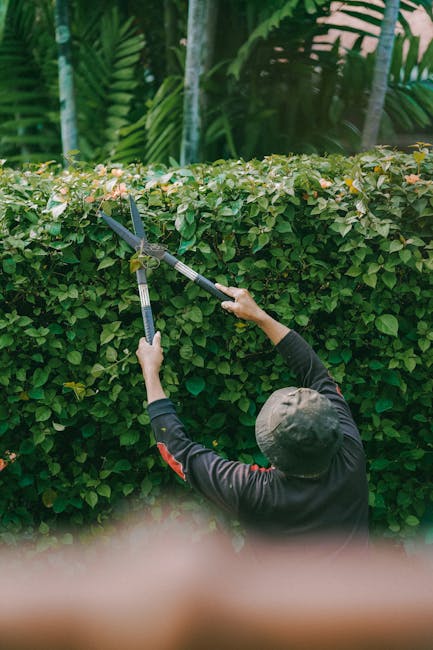
Affordable garden maintenance SM6 real cost guide

If you have been comparing quotes and wondering what a fair price looks like, you are not alone. Garden upkeep can feel oddly hard to price: a tidy front lawn, an overgrown back border, a hedge that has had one growth spurt too many, and suddenly the job is bigger than it looked from the patio door. This Affordable garden maintenance SM6 real cost guide breaks down what drives cost, what you should expect from a sensible quote, and how to keep your garden looking cared for without paying for fluff you do not need.
Whether you want a one-off tidy-up, a regular visit, or a more involved clear-and-reset, the aim here is simple: help you understand the real numbers, the real trade-offs, and the real signs of value. Not the glossy sales pitch. The actual stuff that matters.
Why Affordable garden maintenance SM6 real cost guide Matters
Garden maintenance is one of those services people often delay until the space starts getting in the way of daily life. A path becomes slippery. The lawn gets patchy and uneven. Hedges block light. Fallen leaves build up in corners and suddenly the whole garden feels smaller. In SM6, where many homes have compact front spaces, narrow side access, or busy family gardens, a low-cost maintenance plan can make a noticeable difference very quickly.
The reason a real cost guide matters is because garden pricing is rarely one-size-fits-all. Two properties on the same street can need completely different levels of care. One may only need mowing and edging every couple of weeks. Another may need hedge trimming, weeding, clearance, and a reset before regular maintenance even makes sense. If you do not understand the factors behind the quote, it is easy to overpay or, just as annoyingly, underbuy and end up with a garden that still feels unfinished.
There is also the value side. Affordable does not mean bare minimum. It should mean sensible scheduling, the right tasks, and a fair labour time for the condition of the garden. That is the sweet spot. And yes, it exists. You just have to know what to look for.
For homeowners, landlords, letting agents, and anyone preparing a property for sale or rental, a tidy outdoor space often improves first impressions far more than people expect. A neat garden can make the whole place feel looked after. It is a small thing, but not really small at all.
How Affordable garden maintenance SM6 real cost guide Works
Most garden maintenance pricing is based on time, task type, access, waste handling, and the condition of the space. That sounds obvious, but it is worth unpacking because the same job can be priced very differently depending on those details.
Here is the basic logic:
- Routine maintenance usually costs less per visit because the garden is kept under control.
- One-off maintenance can cost more if weeds, hedge growth, or grass length have built up.
- Clearance work tends to take longer and may involve removing green waste.
- Specialist tasks like hedge trimming or tree-related work may require extra equipment and skill.
- Access issues can add time, especially where waste needs to be carried through a house or down tight side passageways.
In practical terms, a gardener or maintenance team will usually look at the size of the garden, the number of tasks needed, and whether the visit can be completed in one trip. If not, the quote may reflect multiple stages. That is not necessarily expensive; it is just honest pricing.
Truth be told, the word affordable is often misunderstood. It should not mean the cheapest person with a mower and a van. It should mean a clear scope, no surprise extras, and the right level of service for your actual need. If you want a broader view of service categories, the services overview page is a useful place to compare what is typically included across different garden jobs.
A good quote should explain what is included. If it does not, ask. Quite simply, ask. The best providers are usually happy to break it down.
Key Benefits and Practical Advantages
A properly planned maintenance schedule brings more than cosmetic improvement. In fact, some of the best benefits are the ones people notice a few weeks later, once the garden has settled into a manageable rhythm.
- Lower long-term cost: regular upkeep is usually cheaper than repeated rescue jobs.
- Better presentation: tidy lawns, trimmed edges, and controlled growth make a garden feel intentional.
- Less stress: you do not end up staring out of the window and thinking, "I will deal with that next weekend."
- Improved safety: fewer trip hazards, less clutter, and better visibility around paths and entrances.
- Healthier plants and lawns: routine care reduces overcrowding, moss build-up, and neglected growth.
- More usable space: once borders and paths are under control, the garden feels bigger.
There is also a quiet financial benefit for landlords and homeowners preparing to sell. A well-kept garden can support property presentation without requiring a full redesign. Sometimes a regular mow and a tidy border is enough. Sometimes not. But a lot of people overcomplicate it, when really they just need consistency.
If the space has been neglected for a while, starting with a one-off reset and then moving to routine care is often the most cost-effective route. If you need heavier removal work first, a garden clearance service can help bring the area back to a workable baseline before maintenance begins.
Who This Is For and When It Makes Sense
This kind of garden maintenance is a strong fit for a few different situations, and the cost logic changes slightly for each one.
Homeowners who want a tidy, manageable garden
If you like the idea of a nice garden but do not have the time, kit, or energy to keep on top of it, regular maintenance is usually the best investment. It keeps the workload small. That is the whole point.
Older or busier households
Some gardens just become physically difficult to manage. Heavy hedge work, repetitive mowing, and waste removal can all be a bit much. If the job is starting to feel awkward, outsourcing can be a practical decision rather than a luxury.
Landlords and letting agents
Vacant or tenant-managed properties often need reliable, repeatable care. A small monthly spend can prevent a larger one-off bill later. You also reduce the awkwardness of arriving to inspect a place and finding the lawn resembling a small meadow. Not ideal.
People dealing with seasonal catch-up
Spring and early summer often reveal the true state of a garden. Winter pruning, leaf build-up, or a wet spell can leave things looking tired. In these moments, a maintenance visit is about reset and control, not perfection.
Anyone comparing regular care with DIY
If you already own tools and enjoy the work, great. But if weekends keep disappearing into mowing, strimming, and binning green waste, the real question is whether your time is better spent elsewhere. That is a fair question, and one many people ask a bit too late.
Step-by-Step Guidance
Here is a simple way to approach an affordable garden maintenance plan without getting lost in jargon or vague quotes.
- Walk the garden properly. Look at grass length, hedge height, weeds, dead planting, leaf build-up, and any blocked paths.
- Decide what actually matters. Do you need a tidy-up, a reset, or ongoing upkeep? Those are different jobs.
- Separate essential tasks from nice-to-haves. For example, mowing and clearing access may be essential, while decorative reshaping can wait.
- Check access and waste handling. If waste needs to be removed, that may affect time and cost.
- Ask for a written scope. A quote should say what is included and what is not.
- Compare like with like. If one quote includes waste removal and another does not, the cheaper one may not actually be cheaper.
- Set a repeat schedule. Regular visits usually cost less than waiting until the garden has got out of hand again.
When you ask for a quote, be specific. Say things like: "The lawn is overgrown, there are weeds in the borders, and I need hedge trimming as well." That sounds simple, because it is. The more vague the brief, the more room there is for confusion.
If you want to understand how quotes are typically put together, the page on pricing and quotes is a useful companion to this guide. It can help you see what to ask before you agree to a visit.
Expert Tips for Better Results
These are the small things that make a surprisingly big difference to both cost and outcome.
- Keep on top of the basics. A quick sweep, a light weeding session, or clearing toys and pots before the visit can save time.
- Group tasks together. If you need mowing, hedge trimming, and border tidying, doing them in one visit is often better value than spacing them out inefficiently.
- Think seasonally. Spring growth, summer growth, autumn leaf fall - each period changes the type of work needed.
- Do not over-specify cosmetic detail. If the main aim is a neat, manageable garden, say that. Otherwise you may pay for precision you did not need.
- Use maintenance to prevent reset jobs. A little and often approach is usually kinder to the budget.
- Ask about waste disposal early. Green waste can be a hidden cost if nobody discusses it up front.
A practical example: if the lawn is cut regularly, hedge work is done before it becomes unmanageable, and weeds are tackled while still small, each visit stays quicker. That is where affordability really comes from. Not from chasing the lowest possible number once and then ignoring the garden for six months.
And yes, sometimes the best tip is simply not to let things snowball. The ivy does not care about your weekend plans.
Common Mistakes to Avoid
The most common mistakes are not dramatic. They are just expensive in quiet, annoying ways.
- Choosing the cheapest quote without checking scope. Cheap and clear is good. Cheap and vague is risky.
- Assuming maintenance includes everything. It may not include waste removal, hedge shaping, or heavy clearance.
- Waiting too long between visits. Overgrowth raises labour time and can turn upkeep into recovery work.
- Ignoring access problems. Narrow gates, locked side returns, and awkward waste routes all matter.
- Forgetting seasonal changes. What works in early spring may not work in late summer.
- Not asking about edge cases. For example, what happens if the hedge is taller than expected, or the job runs over?
One small but important point: if a garden has structural issues, damaged paving, unstable timber, or unsafe trees, that is not normal maintenance work. It may need separate attention. If you are unsure, it is better to flag it early than hope nobody notices. They will notice.
For jobs involving larger trees or safety-sensitive cutting, a specialised tree lopping and removal service may be more appropriate than standard maintenance.
Tools, Resources and Recommendations
You do not need a garage full of equipment to keep a garden manageable, but the right tools do make a difference. For property owners doing some of the lighter upkeep themselves, a few basics are worth having.
- Manual shears or secateurs for light trimming and tidying.
- A reliable mower for small or medium lawns.
- A rake and leaf collector for seasonal clearing.
- Sturdy gloves for weeding and debris handling.
- Waste bags or bins to keep clippings from piling up.
- Basic measuring notes on hedge lengths, lawn size, and access points if you are requesting quotes.
From a budgeting point of view, the best resource is a clear written brief. A few notes and pictures of the space can save a lot of back-and-forth later. It sounds plain, but it really helps. If you are comparing service options, the lawn mowing service, hedge trimming service, and garden maintenance service pages are useful starting points for understanding how different tasks are usually separated.
Another useful angle is sustainability. If you care about where waste goes, or you want a provider that handles green waste responsibly, have a look at the recycling and sustainability information. It can be a good sign that a business thinks beyond the immediate job.
Law, Compliance, Standards, or Best Practice
For most domestic garden maintenance, there is no complicated legal framework that the average homeowner needs to memorise. Still, sensible best practice matters, especially when work involves equipment, waste, ladders, sharp tools, or potentially unsafe trees.
A trustworthy provider should think about:
- Health and safety on site, especially where there are tools, moving blades, or trip hazards.
- Insurance appropriate to the type of work being carried out.
- Clear payment terms so you know what is due and when.
- Waste handling that is lawful and responsible.
- Fair treatment of workers and proper operating standards.
If you are comparing providers, it is completely reasonable to ask how they handle safety, insurance, and payment. That is not being difficult. That is being sensible. The pages on health and safety policy, insurance and safety, and payment and security can help you understand the sort of standards a professional service should be willing to discuss openly.
If your project involves a larger property change rather than routine maintenance, it may cross into landscaping or landscape gardening rather than simple upkeep. That is normal. The key is matching the task to the right service level, not squeezing everything into one label and hoping for the best.
Options, Methods, or Comparison Table
Different garden situations call for different approaches. The cheapest option is not always the best value, especially if the garden needs a reset first.
| Approach | Best for | Typical cost behaviour | Pros | Watch-outs |
|---|---|---|---|---|
| DIY upkeep | Small gardens and people with time | Lower cash cost, higher time cost | Flexible, good for light tasks | Can become inconsistent; requires tools and effort |
| One-off tidy-up | Overgrown or neglected gardens | Higher initial cost, then easier to maintain | Fast reset, immediate visible improvement | May not stay tidy without follow-up visits |
| Regular maintenance | Most homes and rental properties | Usually better value over time | Predictable, manageable, less stress | Needs a schedule and basic consistency |
| Maintenance plus clearance | Gardens with clutter, waste, or severe overgrowth | Higher at the start due to labour and removal | Brings the space back under control properly | Not always needed if the garden is already fairly tidy |
If your garden has a lot of hard landscaping, raised features, or tired timber areas, a broader landscaping service or even decking services may be more relevant than standard maintenance alone. That is worth considering before you commit to a plan that only solves half the problem.
Case Study or Real-World Example
Picture a typical SM6 back garden after a few months of neglect. The lawn is long enough to hide the edges. A hedge has started to lean out over the path. The borders are full of weeds, and there is a pile of cuttings and broken plant pots tucked near the fence. Nothing extreme. Just one of those gardens that quietly got away from someone.
A sensible approach would usually look like this:
First, a tidy-up visit to restore access, cut the grass, remove obvious waste, and take the hedge back to a manageable shape. Next, a short follow-up visit or a switch to regular maintenance so the same work does not need repeating from scratch. In many cases, that second stage is where the real savings begin, because the garden is no longer fighting you every time you open the back door.
Now, the important bit: the most affordable outcome was not the cheapest first visit. It was the plan that reduced future labour. A garden that is cut little and often stays cheaper to manage than one that demands rescue every season. Simple, but easy to miss.
If you want to start with a clear view of service scope and whether ongoing care suits your property, a good next step is to review the provider's about us information and then compare it with their pricing approach. A little background can tell you a lot about how they work.
Practical Checklist
Use this before you request a quote or book a visit.
- List the tasks you actually need: mowing, hedging, weeding, clearance, pruning, or waste removal.
- Measure rough garden size if you can.
- Note any access issues, locked gates, narrow paths, or awkward waste routes.
- Check whether the garden needs a one-off reset or regular upkeep.
- Take a few photos in daylight so the condition is clear.
- Ask what is included in the quote and what would count as extra.
- Confirm whether green waste removal is included.
- Ask about timing, particularly if you need the work completed before an event, sale, or tenancy check.
- Keep a simple maintenance schedule once the garden is under control.
- Use safety common sense: keep children, pets, and breakables clear of the work area.
One small habit helps more than people expect: write down the date of the last maintenance visit and what was done. It saves guesswork later. And yes, it sounds a bit organised. That is the point.
Get a free quote today and see how much you can save.
Conclusion
The real cost of garden maintenance in SM6 depends on the condition of the space, the mix of tasks, the access, and whether you are asking for a one-off rescue or a simple ongoing routine. Once you understand that, prices start to make a lot more sense. You can compare quotes properly, avoid hidden extras, and choose a plan that fits the garden you actually have.
If you remember one thing from this guide, let it be this: affordable garden care is usually about consistency, clarity, and the right scope. Not bargain hunting for the sake of it. Not overbuying a service you do not need. Just a sensible, well-matched solution that keeps the garden pleasant to use and easy to live with.
And when the garden feels calmer, the house often does too. Funny how that works.
Frequently Asked Questions
How much does affordable garden maintenance in SM6 usually cost?
It varies depending on garden size, the condition of the space, and the tasks involved. A simple routine visit will usually cost less than a neglected garden that needs a full tidy-up, hedge work, and waste removal.
What affects the price of garden maintenance the most?
The biggest factors are labour time, access, waste disposal, and whether the work is routine or a one-off reset. Overgrown gardens almost always take longer, which pushes the price up.
Is regular maintenance cheaper than one-off visits?
In most cases, yes. Regular care keeps the garden easier to manage, so each visit takes less time. That usually makes the long-term cost more predictable and better value.
Does garden maintenance include hedge trimming and lawn mowing?
Not always. Some providers include them as part of a broader maintenance plan, while others price them separately. It is best to confirm exactly what is covered before booking.
Should I choose garden clearance or maintenance?
If the garden is heavily overgrown, cluttered, or full of waste, clearance is usually the better starting point. If it is already manageable and just needs regular care, maintenance is the better fit.
How can I keep costs down without cutting corners?
Keep the garden on a regular schedule, group tasks together, clear access before the visit, and ask for a clear written quote. Prevention is cheaper than rescue work. Usually by quite a bit.
Do I need to be home during the work?
Not necessarily, but it depends on access, payment arrangements, and how the job is organised. Some customers prefer to be there for the first visit, then leave routine work to the team after that.
What should a proper quote include?
A proper quote should state the tasks included, any assumptions about garden condition, waste removal details, and any extra charges that could apply. If the quote is vague, ask for clarification.
Can poor access make the job more expensive?
Yes. Tight side passages, difficult parking, or having to carry waste a long distance can all add time to the visit. That time has to be factored into the price somehow.
Is there a best time of year to book garden maintenance?
Spring and early summer are common times to get gardens back under control, while autumn can be useful for leaf clearing and preparation for winter. The best time really depends on what your garden needs most.
How do I know if I'm paying a fair price?
Compare quotes with the same scope, check what is included, and look for clear communication rather than just the cheapest number. A fair price is one that matches the amount of work, the skill involved, and any waste handling.
What if my garden needs more than maintenance?
If the space needs a redesign, new surfaces, or bigger structural changes, then landscaping or landscape gardening may be more appropriate. Routine maintenance is excellent, but it is not a substitute for a larger project when one is needed.
For a clearer plan and a better sense of what is suitable for your property, you can also review the provider's wider information on getting in touch and the practical details around terms and conditions. Knowing the basics up front makes the whole process smoother, and frankly, less annoying.
One last thought: a garden does not need to be perfect to be lovely. It just needs the right amount of care, given at the right time.